Skip to content
What is a Single-Story Steel Structure?
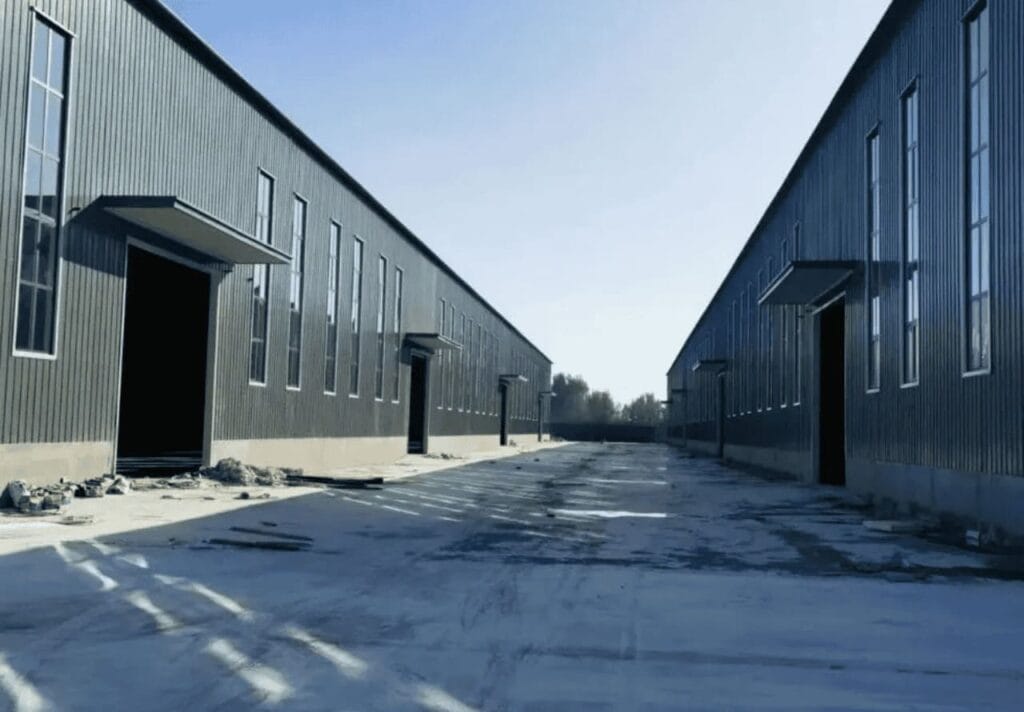
A single-story steel structure is a building with just one level, built primarily from steel. These buildings are widely used in industries like manufacturing, warehousing, retail, and agriculture because they provide:
- Large open spaces
- Quick construction timelines
- Cost efficiency
Unlike multi-story buildings, single-story steel structures prioritize functionality and flexibility, making them ideal for businesses that need wide, uninterrupted areas.
Why Choose a Single-Story Steel Structure?
Single-story steel buildings are popular for many reasons. Here are the main benefits:
- Large, Open Spaces
- Steel supports long spans without interior columns.
- Perfect for warehouses, logistics centers, and sports facilities.
- Fast Construction
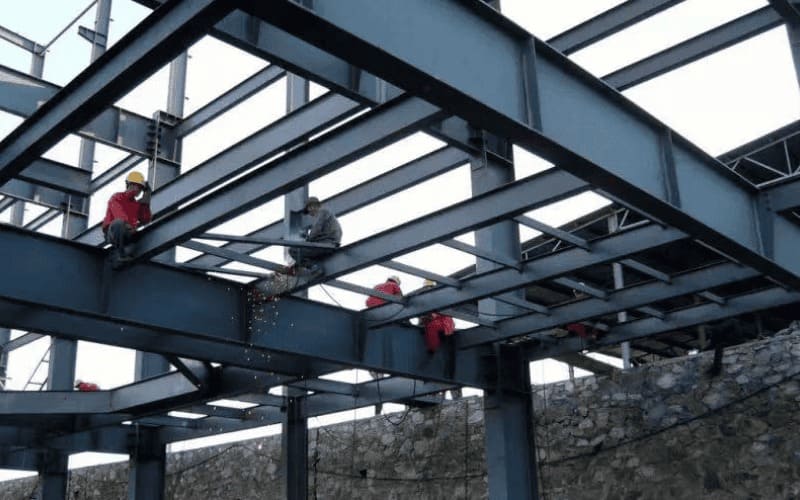
- Prefabricated steel parts are manufactured off-site.
- Quick assembly reduces project timelines.
- Cost-Effective
- Lower material and labor costs than traditional concrete.
- Durable steel means less long-term maintenance.
- Flexible & Expandable
- Easy to modify, extend, or repurpose.
- Great for businesses with future growth plans.
- Eco-Friendly
- Steel is 100% recyclable.
- Energy-efficient designs help lower heating and cooling costs.
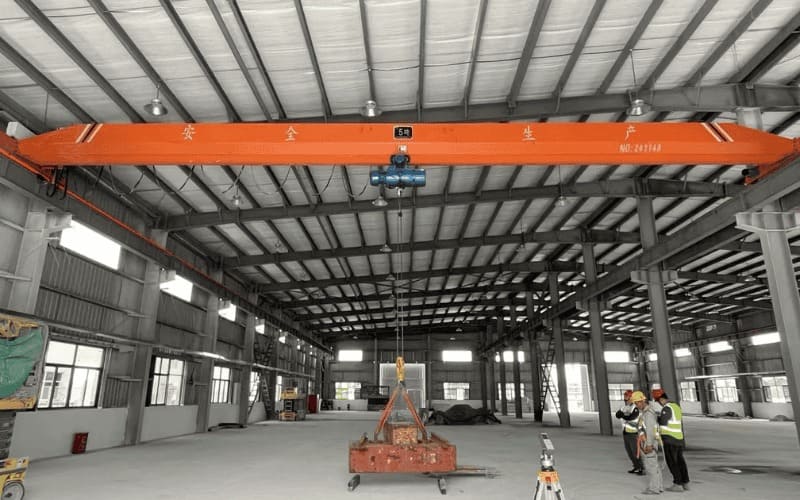
Key Components of a Single-Story Steel Structure
- Primary Steel Frame (The Backbone)
- Columns, beams, and trusses hold up the building.
- Portal frames are the most common for wide spans.
- Secondary Steelwork (Support System)
- Purlins and side rails support roof and wall panels.
- Bracing systems resist wind and earthquake forces.
- Building Envelope (Walls & Roof)
- Metal cladding provides insulation and protection.
- Composite panels improve thermal efficiency.
- Transparent roofing reduces energy costs with natural light.
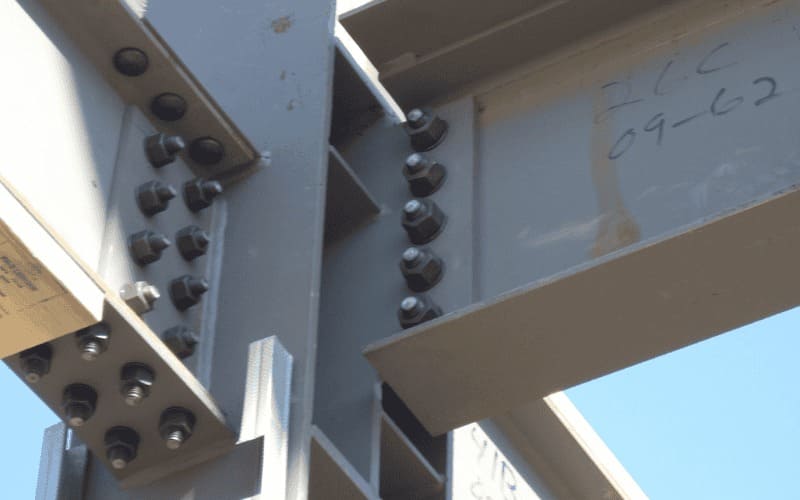
Design & Technical Considerations
- Structural Forms: Portal frames (most common), multi-span frames, truss roofs, or curved roofs.
- Steel Types: Hot-rolled steel for strength, cold-formed steel for lightweight framing.
- Connections: Bolted joints for quick assembly, welded joints for heavy loads.
- Roof Options: Flat roofs (commercial use) or pitched roofs (better drainage).
- Load Considerations: Wind, seismic activity, and heavy machinery support.
- Fire Protection: Fire-resistant coatings, ventilation, and escape planning.
- Durability: Galvanization and coatings prevent corrosion.
Modular Steel Classrooms: A Practical Example
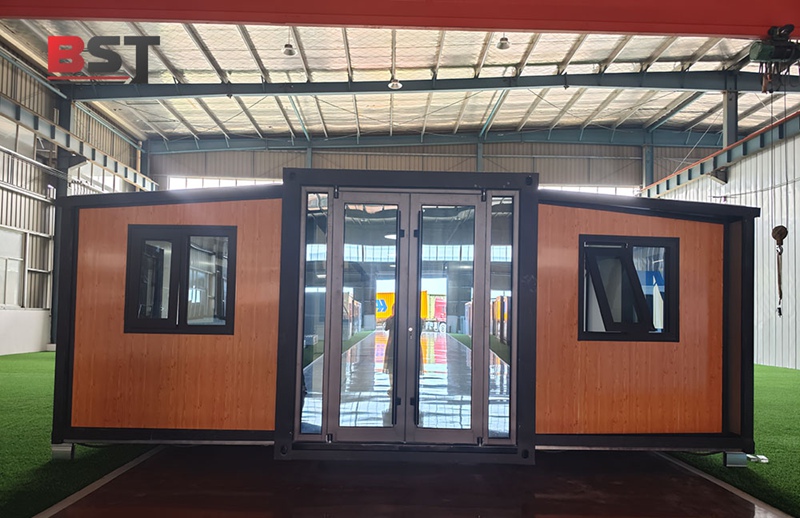
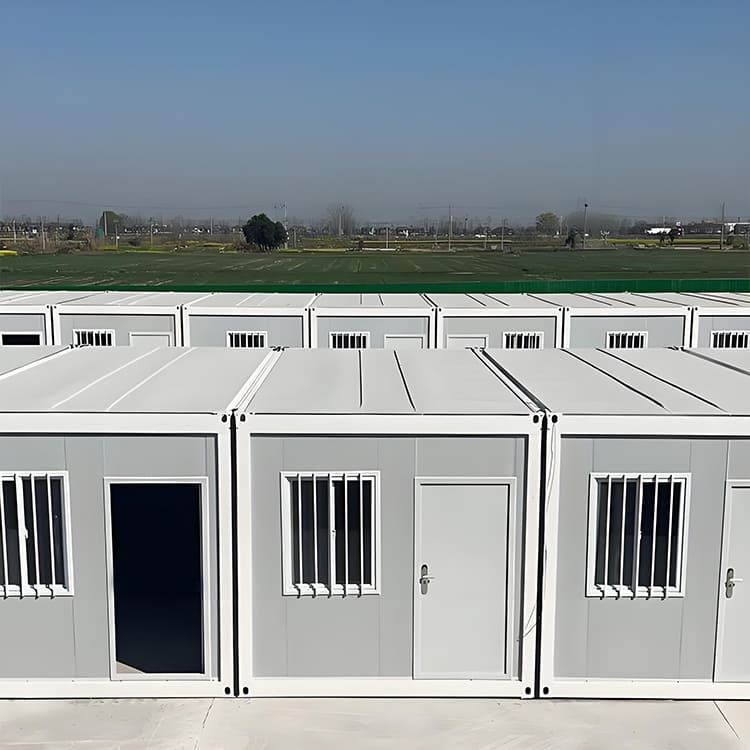
A single-story modular classroom is a prefabricated steel building designed for schools and training centers.
- Fast to Build: Prefabricated modules cut construction time.
- Flexible: Expandable layouts with customizable interiors.
- Sustainable: Recyclable steel and energy-efficient panels.
- Durable & Safe: Meets modern building codes, resists earthquakes and fire.

Common Misconceptions
❌ “Steel buildings look industrial.”
✅ Modern cladding and finishes make them sleek and stylish.
❌ “Steel rusts easily.”
✅ With proper coatings, steel resists corrosion for decades.
❌ “Steel buildings are expensive.”
✅ Lower labor, faster build time, and minimal maintenance = long-term savings.
Who Should Consider a Single-Story Steel Structure?
- Businesses needing large, open floor areas.
- Companies seeking cost-effective and fast construction.
- Facilities requiring heavy equipment or future expansion.
- Anyone wanting a low-maintenance, durable building.
Final Thoughts
Single-story steel structures are the future of modern construction. They offer unmatched strength, affordability, and flexibility for industries ranging from logistics to education.
If you’re planning a steel building project, now is the best time to explore your options and design a structure built to last.