Skip to content
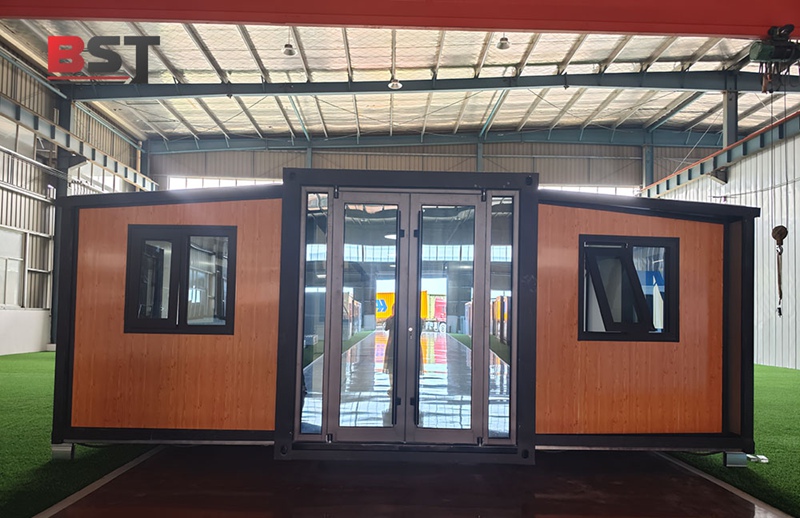
Container homes, built from durable shipping containers, are gaining attention for their affordability, fast build time, and eco-friendly design. But do the benefits outweigh the downsides?
Understanding both sides will help you decide if this housing option matches your goals.
Why Consider a Container Home?
A container home can cut costs by up to 50%, be completed within 6–8 weeks, and offer a strong, storm-resistant structure.
However, limitations include narrow layouts, moisture risks, and local zoning restrictions. Balancing these trade-offs is key before making a decision.
Advantages of Container Hom
1. Affordable Housing
Container homes are often 30–50% cheaper than traditional houses. Standard builds can cost as little as $10,000–$35,000 compared to $200,000+ for conventional homes.
Using recycled containers makes them even more budget-friendly.
2. Quick Construction
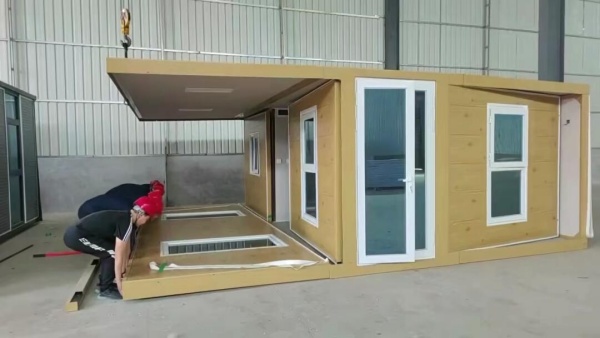
Most container homes are built in 6–8 weeks, far faster than conventional housing.
Prefabrication reduces delays from weather and cuts construction waste by up to 30%.
3. Strength and Durability
Made of corten steel, containers withstand strong winds, heavy storms, and earthquakes.
With proper care, a container home can last 50+ years.
4. Flexible and Expandable
Owners can expand by adding more units or relocate the home using a flatbed truck.
Around 60% of container homeowners later expand their homes.
5. Eco-Friendly Living
Repurposing containers reduces industrial waste—saving nearly 300,000 tons of steel annually.
Many designs include solar panels, modern insulation, and water recycling, cutting energy costs by up to 50%.
Disadvantages of Container Homes
1. Limited Space
A single container is only about 8 feet wide, making layouts tight.
Clever use of modular furniture and vertical storage is essential.
2. Moisture and Insulation Issues
Without proper insulation, condensation can lead to mold and rust.
Spray foam insulation and vapor barriers help maintain comfort but raise costs.
3. Structural Modifications
Adding doors or windows may weaken the steel shell if not reinforced properly.
Professional builders can ensure safe modifications.
4. Zoning and Permit Challenges
Some areas restrict or ban container homes. Research local regulations and work with experienced contractors to secure permits before building.
Real-Life Applications
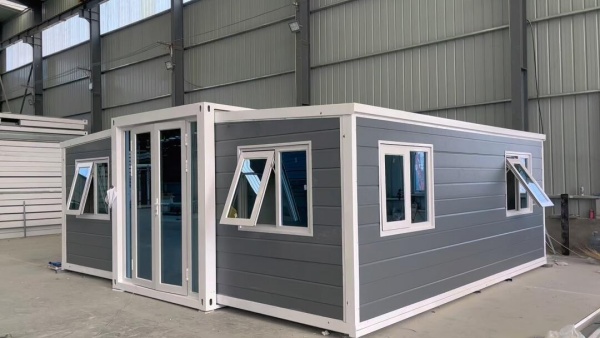
Residential Homes
From the U.S. to Europe, families live comfortably in container homes that blend into neighborhoods. Owners praise low costs and eco-friendly benefits.
Hospitality and Tourism
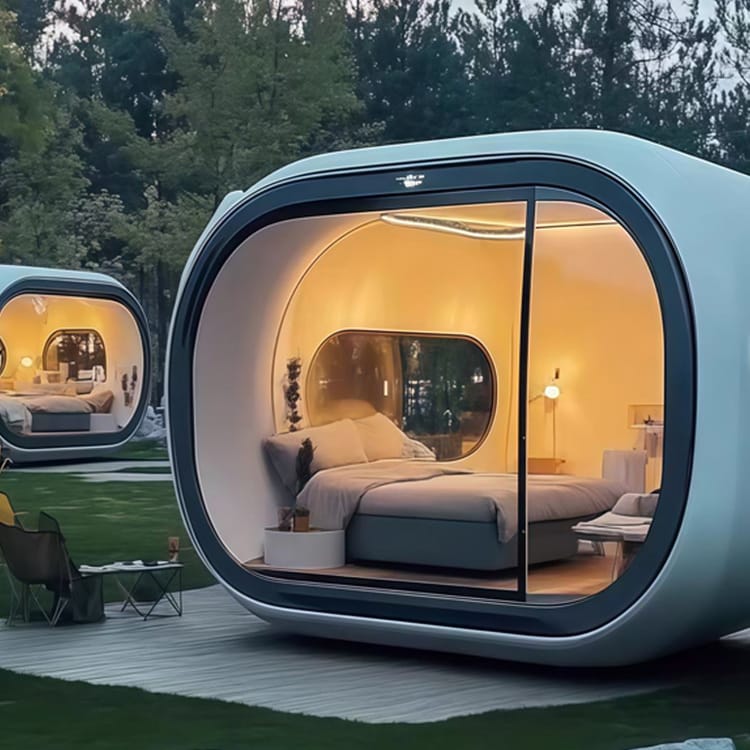
Hotels and vacation rentals use container units for stylish, sustainable stays.
Examples include beachfront container hotels in Australia and eco-lodges in South Africa.
Emergency Housing
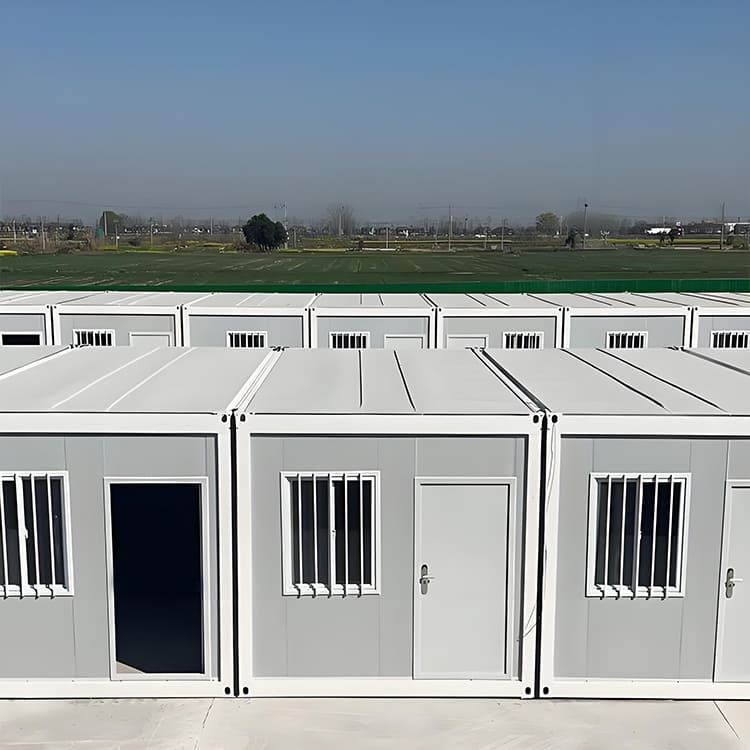
After natural disasters, container homes provide quick shelter. In Haiti and Germany, they served as emergency housing for earthquake victims and refugees.
Conclusion
Container homes are affordable, durable, and eco-friendly, making them attractive for homeowners, businesses, and even humanitarian projects.
Still, challenges like insulation, permits, and space limitations must be addressed. With the right planning, container homes can offer a modern, sustainable lifestyle.