Skip to content
Introduction
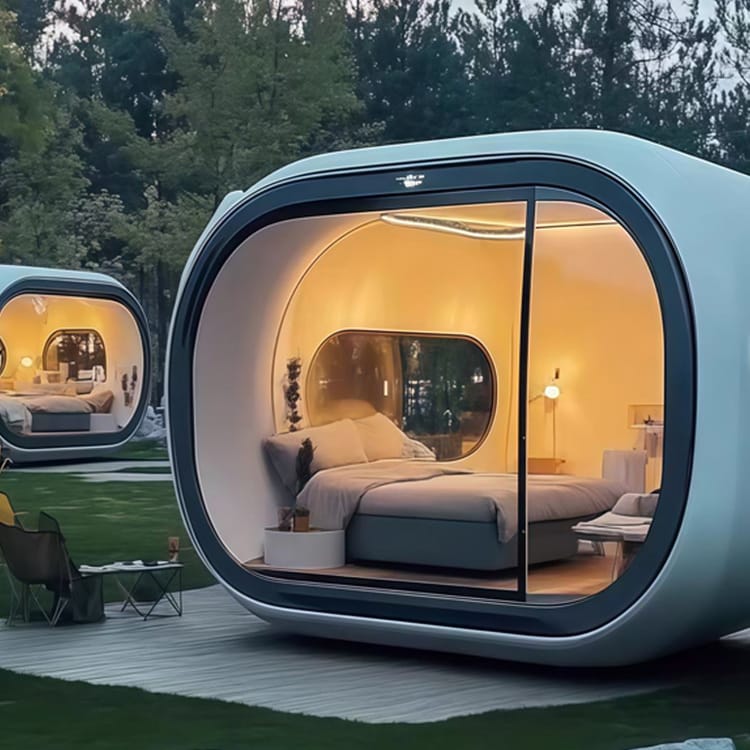
Capsule homes, also called prefabricated pod homes or modular micro-homes, are compact, eco-friendly housing solutions inspired by spacecraft design. Widely used in resorts, short-term rentals, and tiny home setups, they maximize space efficiency while providing durable living spaces made of aluminum or steel.
For exporters from China to the U.S., understanding tariffs, regulations, shipping, and compliance requirements is critical to ensure a smooth import process.
1. Product Classification and Tariffs
HS Code Classification:
Capsule homes are generally classified as “prefabricated buildings” under HTS code 9406.90. Subcategories (e.g., 9406.90.0030 for metal structures, 9406.90.0130 for housing units) should be verified with a customs broker.
Tariff Costs:
- Basic Duty: ~2.9% ad valorem
- Section 301 Duty: Additional 25% for Chinese-origin products
Example:
A $15,000 capsule home may incur total duties around $4,185 (2.9% + 25%).
2. Regulations and Compliance Requirements
Ensuring compliance with U.S. standards is crucial for import success.
Building and Safety Codes:
- Core Codes: International Building Code (IBC) or International Residential Code (IRC)
- Local Requirements: Zoning, permits, and installation rules of the destination state or city
Certification Requirements:
- Manufactured Home: Must meet HUD standards (24 CFR Part 3280) with HUD label
- Modular Building: State-specific certifications and third-party inspections may apply
- Components: Electrical (UL) and plumbing (IAPMO) certifications required
Material Standards:
- Formaldehyde Emissions: Composite wood must comply with EPA TSCA Title VI
- Energy Efficiency: Recommended to meet DOE standards (IECC)
3. Transportation and Logistics Considerations
- Shipping Method: Ocean freight for oversized capsule homes
- Packaging & Handling: Secure interiors, wrap wiring, sturdy packaging
- Equipment: Use cranes/forklifts operated by trained personnel
- Logistics Partners: Experienced freight forwarders with oversized cargo knowledge
- Cost Estimates: $20,000 – $50,000+, depending on size and distance

4. Import Process and Documentation
Key Steps:
- Prepare all required documents
- Declare shipment to U.S. Customs and Border Protection (CBP)
- Obtain import bonds if necessary
- Pay duties and taxes
- Arrange inspection and customs clearance
Required Documents:
- Commercial invoice (value, description, HS code)
- Packing list (weight, dimensions, contents)
- Bill of lading
- Certificate of origin (for Section 301 tariffs)
- Compliance certificates (HUD, UL, EPA)
5. Supplier Selection and Potential Challenges
Due Diligence:
- Request evidence of past North American projects and customs records
- Conduct factory visits or third-party inspections if possible
Common Challenges:
- Quality Control: Meet U.S. wind, seismic, and climate standards
- Modifications: Budget for adjustments to meet regulations
- Assembly: Professional on-site assembly may be required

6. Cost Overview
| Cost Category | Estimated Range | Notes |
|---|---|---|
| Duties/Taxes | ~27.9% of product value | HS code and Section 301 applicability |
| Shipping | $20,000 – $50,000+ | Depends on size, distance, and method |
| Inspection/Modifications | $5,000 – $20,000+ | Third-party audits and regulatory adjustments |
| Total per unit | $30,000 – $100,000+ | Model size, quantity, destination |
Key Takeaway:
Importing capsule homes can be cost-effective, but careful planning is essential. Collaborate with customs brokers, freight forwarders, and compliance experts to ensure smooth entry into the U.S. market.