Skip to content
Are you struggling with high office costs and rigid spaces in a fast-paced business world? It’s frustrating when traditional buildings drain your budget and limit flexibility. Discover how container offices offer an affordable, adaptable solution.
A shipping container office is ideal if you seek cost-effective, flexible, sustainable, and durable workspace. They repurpose sturdy containers into modern offices, reducing construction time and environmental impact while providing mobility for evolving business needs.
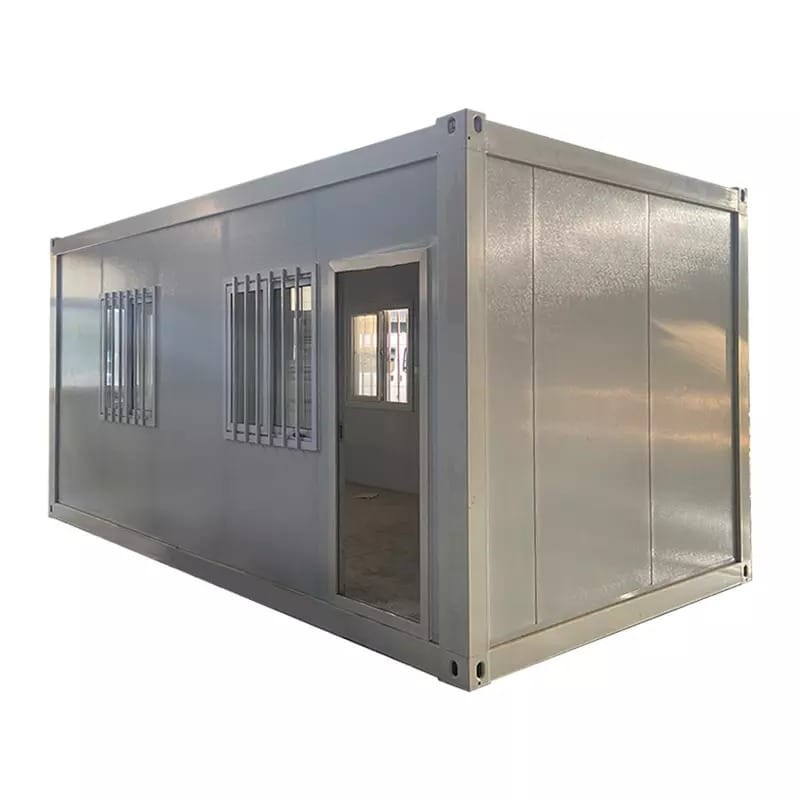
Imagine transforming a simple shipping container into a thriving hub for your team—efficient, eco-friendly, and ready to move with your business. Let’s explore why this innovative option might be perfect for you, diving into the key benefits and how to make it happen.
What Are the Reasons to Choose a Shipping Container as Your Office?
Tired of skyrocketing construction costs and inflexible office setups that hinder growth? It’s aggravating when budgets constrain your vision. Container offices deliver budget-friendly, versatile alternatives that empower businesses to thrive.
Key reasons include cost-effectiveness, sustainability, flexibility, mobility, durability, and security. These advantages make container offices a smart choice for startups and expanding companies, combining affordability with eco-conscious design for long-term value.
Cost-Effectiveness Breakdown
Container offices slash expenses compared to traditional builds. Basic structures are simple yet sturdy, minimizing conversion costs. For budget-limited firms, they save on land, construction, and maintenance while offering customizable high-quality spaces.
Sustainability and Environmental Perks
Repurposing containers reduces waste and material needs, aligning with green goals. Energy-efficient designs with insulation and ventilation cut consumption and carbon footprints, promoting environmental responsibility without compromising comfort.
Flexibility and Mobility Insights
Easily transportable and reconfigurable, containers suit temporary or multi-location needs. This adaptability supports dynamic business operations, allowing quick expansions or relocations.
Durability and Security Analysis
Built for heavy loads and harsh conditions, containers ensure longevity and protection. Enhanced with anti-theft features and surveillance, they safeguard assets. Critically, while initial setup requires planning, their robustness outweighs traditional vulnerabilities, making them reliable for diverse industries. Consider a table for quick comparison:
| Aspect | Traditional Office | Container Office |
|---|---|---|
| Cost | High | Low |
| Build Time | Months | Weeks |
| Mobility | None | High |
| Sustainability | Low | High |
| Durability | Variable | Excellent |
This structured view highlights why containers excel, encouraging deeper evaluation for your specific context.
How to Transform a Container into an Office?
Overwhelmed by the complexity of office renovations that take forever and cost a fortune? It’s exasperating dealing with delays and overruns. A step-by-step container transformation provides a streamlined, efficient path to a functional workspace.
Transform a shipping container into an office by planning design, preparing foundations, insulating, installing utilities, adding furniture, ensuring safety, and final inspection. This process creates a customized, durable space quickly and affordably.
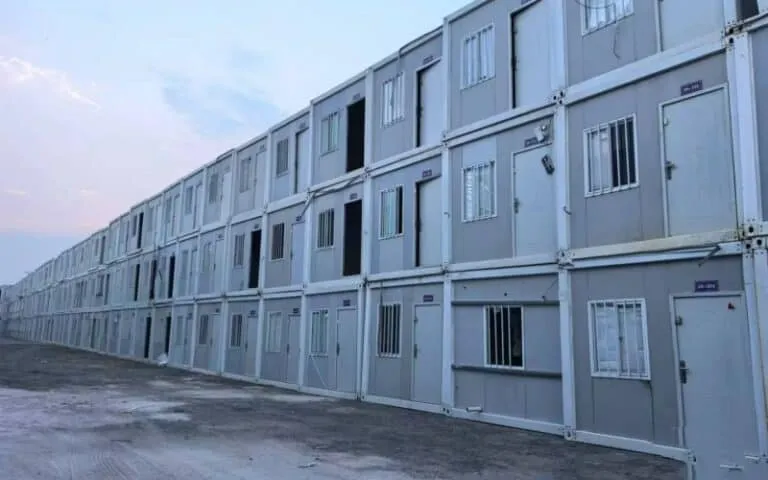
Step-by-Step Process Deconstruction
Using a systematic approach ensures success. Start with planning and design: Define functions, layout, and container size (20- or 40-foot). Critically, optimize for lighting and ventilation to avoid common pitfalls like poor airflow.
Next, foundation and structural mods: Level ground, fix container, cut openings, and add partitions. Reinforce cuts to maintain integrity—overlooking this risks structural weakness.
Then, insulation and decoration: Use materials like rock wool for thermal control; decorate walls, floors, and ceilings for aesthetics. This step is crucial for comfort in varying climates.
Follow with electrical, network, and ventilation: Safe wiring, cabling, and AC systems prevent hazards. Doors, windows, and furniture: Prioritize ergonomics and security.
End with safety and exterior: Fire equipment, painting, and greening enhance usability. Acceptance: Inspect thoroughly for longevity.
Alternatively, purchase pre-modified units to skip hassles. A table outlines timelines:
| Step | Estimated Time | Key Considerations |
|---|---|---|
| Planning | 1-2 weeks | Space optimization |
| Foundation/Structure | 1 week | Stability checks |
| Insulation/Decor | 1-2 weeks | Material quality |
| Utilities | 1 week | Safety compliance |
| Finishing/Safety | 1 week | Aesthetic appeal |
| Total | 5-7 weeks | Budget adherence |
This breakdown demystifies the process, empowering informed decisions and avoiding costly errors through proactive critical thinking.
How to Get Started with BEST’s Container Offices?
Confused about where to begin with innovative office solutions amid endless options? It’s irritating navigating vague processes alone. BEST’s structured approach simplifies starting, from consultation to delivery, for seamless results.
Get started by scheduling an initial consultation, moving to design and quoting, then installation and delivery. This ensures tailored, efficient container offices meeting your business needs with transparency and professionalism.
Consultation Phase Exploration
Begin with free, no-pressure discussions via website, phone, or email. Detail your business nature, space requirements, and budget. Consultants offer insights on advantages, answer queries, and outline plans—critical for aligning expectations and avoiding mismatches.
Design and Quoting Deep Dive
Designers craft custom solutions focusing on functionality, aesthetics, and industry specifics like mobility. Quotes are detailed and transparent, covering all costs for budget planning. Flexibility in adjustments ensures value; critically evaluate quotes against needs to prevent overpayment.
Installation and Delivery Analysis
Post-contract, efficient construction follows a timeline. Team handles installation, maintaining communication for remote guidance. This phase ensures timely delivery; consider potential delays from complexity.
A flowchart-inspired table for clarity:
| Stage | Actions | Benefits |
|---|---|---|
| Consultation | Discuss needs, get advice | Clarity and foundation |
| Design/Quote | Custom plans, transparent costs | Tailored, budget-friendly |
| Installation | Build, install, deliver | Efficient, communicative |
This methodical process minimizes risks, using critical foresight to deliver optimal, hassle-free container offices suited to diverse enterprises.
What to Consider When Choosing a Container Office?
Struggling to decide on office options with so many variables at play? It’s daunting when poor choices lead to regrets. Key considerations guide you to select a container office that perfectly fits your requirements.
Consider size, structural strength, insulation, waterproofing, ventilation, utilities, transportation, installation, budget, aesthetics, and sustainability. These factors ensure a functional, compliant, and eco-friendly workspace.
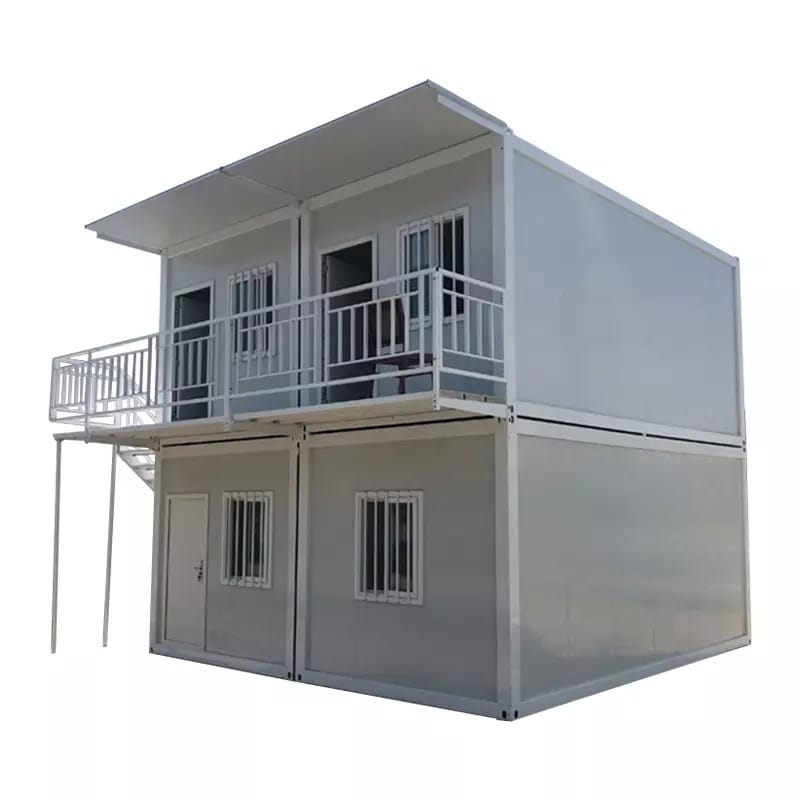
Key Factors Dissected
Size and Strength: Match to needs—20-foot for small setups, 40-foot for larger. Ensure robustness for longevity; critically, undersizing leads to cramped inefficiency.
Insulation and Environmental Controls: Good thermal, waterproof, and ventilation prevent discomfort. Prioritize materials reducing energy use for sustainability.
Utilities and Facilities: Plan electricity, water, and networks early to avoid retrofits. Transportation/Installation: Factor logistics for cost and ease.
Budget and Aesthetics: Balance costs with design appeal. Sustainability: Opt for eco-materials to meet green standards.
Weigh pros/cons via table:
| Factor | Why Important | Potential Pitfalls |
|---|---|---|
| Size/Strength | Fits operations, durability | Over/undersizing |
| Insulation | Comfort, energy efficiency | Poor climate control |
| Utilities | Operational readiness | High retrofit costs |
| Budget | Affordability | Hidden expenses |
| Sustainability | Environmental alignment | Non-compliance fines |
This critical analysis helps mitigate risks, ensuring your choice enhances productivity and aligns with long-term goals through structured evaluation.
Besides Offices, What Other Uses Are There for Containers?
Wondering if containers are limited to offices in your innovative projects? It’s limiting thinking they’re one-trick ponies. Explore diverse applications to unlock their full potential beyond workspaces.
Containers serve as homes, farms, retail stores, workshops, restaurants, labs, exhibition halls, studios, clinics, venues, classrooms, command centers, training facilities, shelters, warehouses, gyms, greenhouses, and data centers.

Versatile Applications Explored
Containers’ modularity sparks creativity across sectors. Residential and Retail: Convert to homes or stores for affordable, mobile living/selling. Critically, zoning laws vary—check compliance.
Industrial Uses: Workshops, labs, warehouses offer durable storage/production. Hospitality and Education: Restaurants, classrooms provide quick setups; gyms or greenhouses leverage insulation.
Specialized: Clinics, shelters for emergencies; data centers for secure tech housing. Drawbacks include modification costs, but benefits like scalability outweigh.
Categorize via table:
| Category | Examples | Advantages |
|---|---|---|
| Residential | Homes, Farms | Affordable, customizable |
| Commercial | Stores, Restaurants, Workshops | Mobility, quick deploy |
| Institutional | Clinics, Classrooms, Labs | Durability, cost savings |
| Specialized | Shelters, Data Centers, Gyms | Security, adaptability |
This breakdown encourages broader thinking, highlighting containers’ versatility to solve multifaceted needs with sustainable, efficient designs.
Conclusion
Shipping container offices offer affordability, sustainability, flexibility, and durability, ideal for modern businesses. Choose BEST for customized solutions that transform your workspace efficiently.