

One of the most common questions people ask after learning about container homes is simple: how much does a container home actually cost?
While container homes are often marketed as affordable alternatives to traditional housing, the final price depends on several key factors. This guide breaks down realistic container home costs in the US, helping you plan your budget with clarity and confidence.
Average Container Home Cost in the US

In the United States, the cost of a container home typically ranges between $25,000 and $120,000, depending on size, customization, and location.
Here is a general breakdown:
-
Basic container home: $25,000–$40,000
-
Mid-range container home: $45,000–$80,000
-
High-end or custom container home: $90,000–$120,000+
These prices usually include the container structure, insulation, windows, doors, electrical wiring, plumbing, and interior finishes.
Cost of a 20ft Container Home
A 20-foot container home is the most budget-friendly option.
Typical Price Range
-
$25,000–$45,000
What You Can Expect
-
Studio-style layout
-
Bathroom with shower
-
Sleeping area
-
Compact workspace or seating
This size is ideal for:
-
Backyard housing units
-
Temporary accommodation
-
Small offices
-
Rental cabins
Thanks to lower material and labor costs, 20ft container homes are popular for entry-level buyers.
Cost of a 40ft Container Home
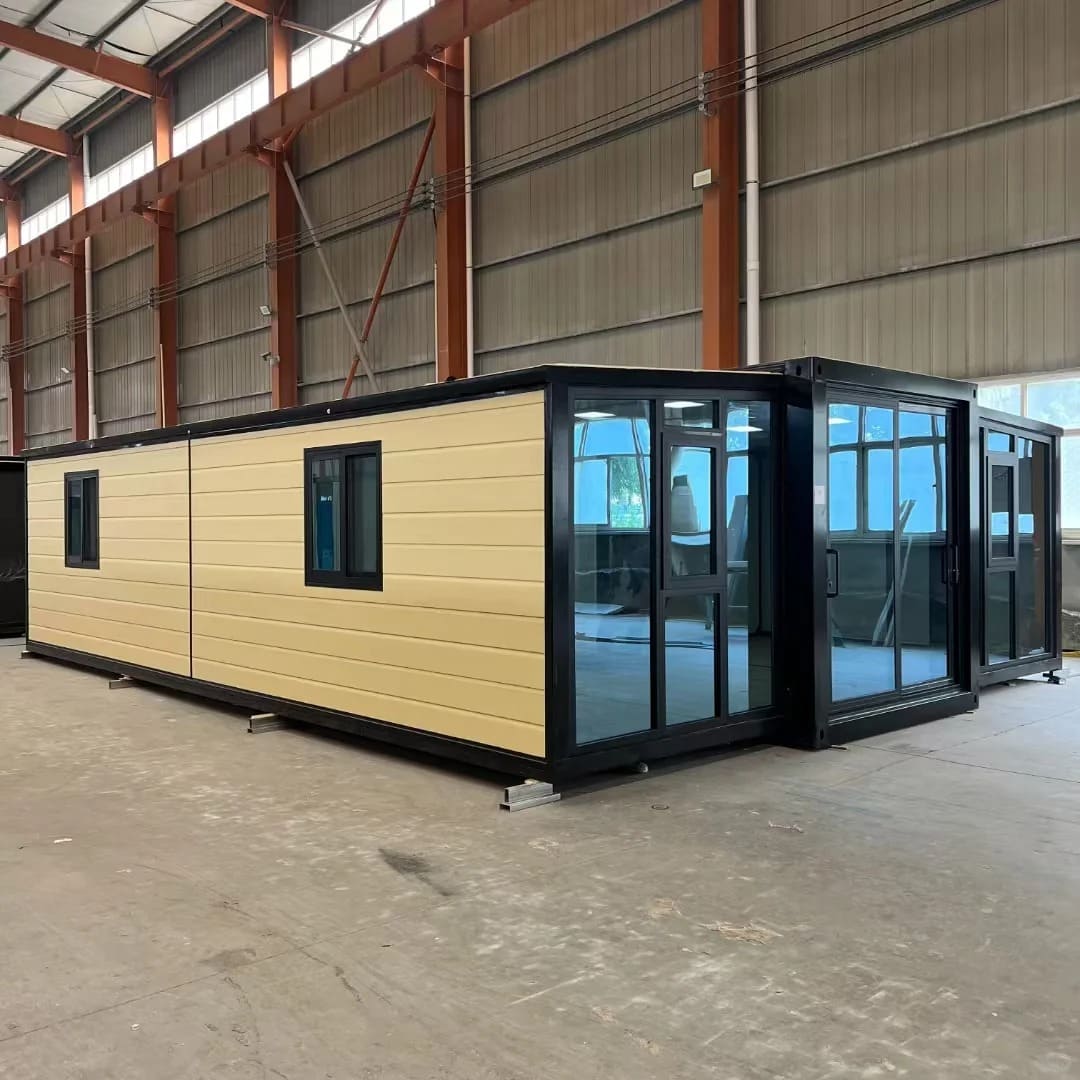
A 40-foot container home offers significantly more space and flexibility.
Typical Price Range
-
$45,000–$90,000
What You Can Expect
-
Separate bedroom
-
Living area
-
Kitchen and bathroom
-
Dining or workspace
This option is well-suited for:
-
Full-time living
-
Cafés or retail shops
-
Airbnb or rental properties
Many buyers find that 40ft container homes provide the best balance between cost and comfort.
Hidden Costs You Should Not Ignore
When calculating container home costs, it’s important to consider additional expenses that are often overlooked:
-
Foundation and site preparation
-
Permits and inspections
-
Utility connections (water, electricity, sewage)
-
Transportation and crane installation
-
Local code compliance upgrades
These costs can add $5,000–$20,000+, depending on location and regulations.
Are Container Homes Cheaper Than Traditional Houses?
In most cases, yes.
Container homes typically cost 20%–40% less than traditional houses of similar size. They also benefit from:
-
Shorter construction timelines
-
Reduced material waste
-
Lower labor costs
However, savings depend heavily on design efficiency and local building codes.
Are Container Homes Worth the Investment?
Container homes are especially attractive for:
-
Rental income projects
-
Commercial pop-up businesses
-
Eco-conscious developments
-
Remote or modular housing needs
With resale values reaching 70%–80% of original investment, container homes can be both a practical living solution and a sound investment when well maintained.
Conclusion
Container home costs in the US vary widely, but they remain a cost-effective and flexible alternative to traditional construction. By understanding base prices, hidden costs, and size differences, you can choose a container home that fits both your budget and long-term goals.
Whether you’re planning a compact studio or a full-size container residence, proper budgeting is the key to success.


